Recoil
All Stalon silencers reduce recoil. But what does that actually mean in practice, and how does it affect precision and comfort? We break it down.
Read moreAt Stalon, we believe that knowledge empowers hunters and shooters to get the very best out of their equipment. This page is dedicated to sharing insights, guides, and inspiration – from practical tips on suppressor use and maintenance to in-depth articles about hunting traditions, shooting techniques, and innovation in the field.
Our goal is to combine decades of craftsmanship with modern expertise, helping you not only understand the technology behind our suppressors but also discover new ways to enhance your outdoor experience. Whether you are a seasoned hunter or just beginning your journey, this is the place to explore, learn, and be inspired.
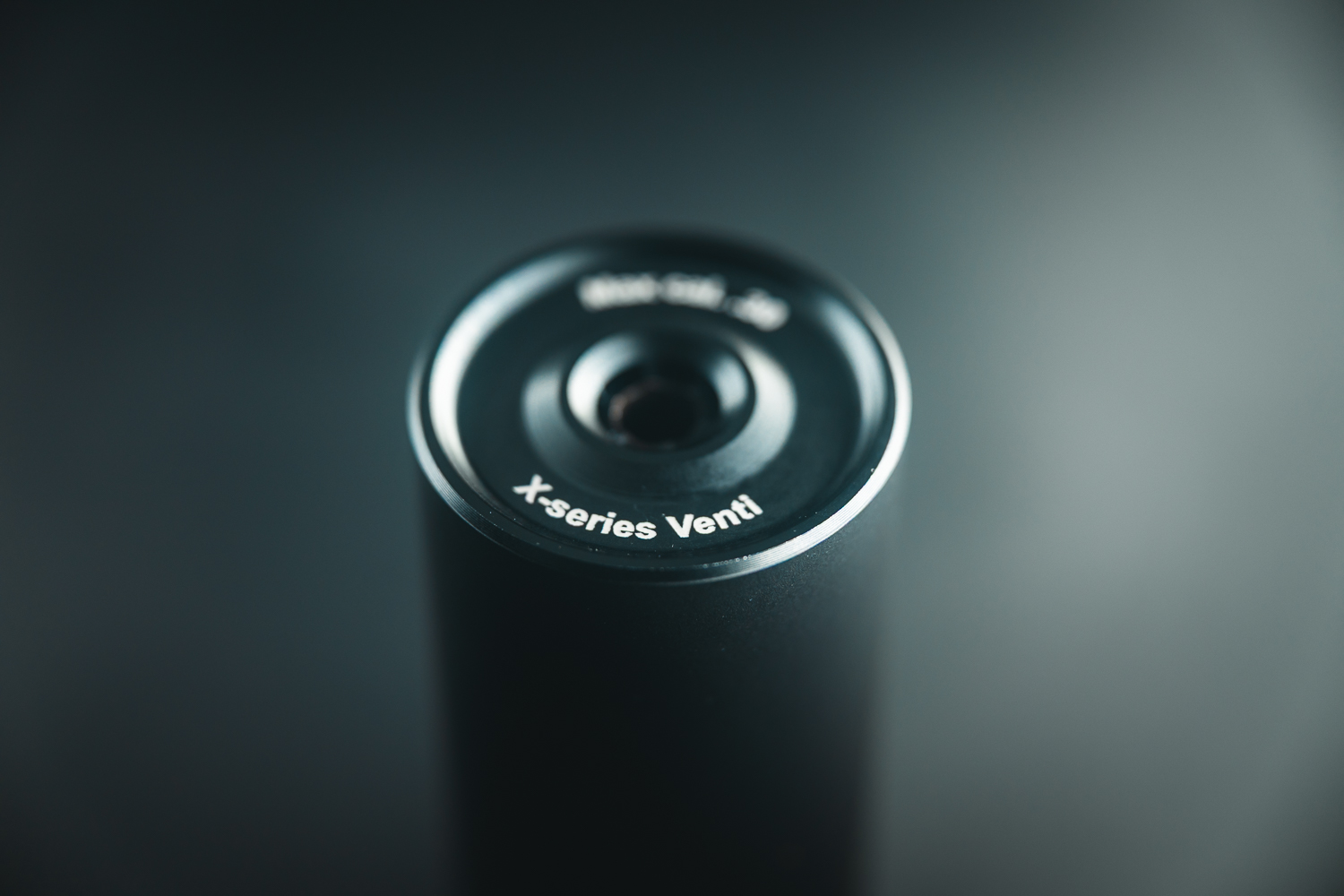
The muzzle is located at the front of the silencer. It is the bullet's final destination, and this surface is covered by a front plate. On this, the silencer's max caliber is indicated.
Read moreAll Stalon silencers are separable, except for Stalon VICTOR and Stalon VICTOR L. The division on the silencer has our gold line as an identification. The gold line is also found in the Victor models.
This is the part of the silencer that extends backward over the barrel. The Stalon X-series consists of three different back sections; XS, X, and XE - all with different characteristics.
The barrel support is located at the rear edge of the silencer and acts as an additional support point. There are regulations for how large it should be.
An Epic On-Barrel Experience
Hunting with a silencer opens up new opportunities and enhances your experience in the field. With the right setup you gain control, comfort, and precision in every shot. In these guides we explore how a silencer affects recoil, extension, and balance – and how to use that knowledge to build a rig that truly fits your hunting style.
All Stalon silencers reduce recoil. But what does that actually mean in practice, and how does it affect precision and comfort? We break it down.
Read moreWhat does extension really mean? Doesn’t the rifle become front-heavy with a silencer mounted? We explain how added length changes handling.
Read moreHow do you create good balance with a silencer installed? Can you still run an XE149 on driven hunts? Learn how to fine-tune your setup.
Read moreAt Stalon, we believe that strong products come from strong people. Our team is more than just engineers and hunters – we are a family built on shared values of trust, dedication, and passion for the outdoors. Every idea, every design, and every silencer we create is the result of close collaboration and a commitment to excellence.
What unites us is not only our craftsmanship, but also our respect for nature and the traditions of hunting that inspire everything we do. By working together, we ensure that every product carrying the Stalon name is something we can all be proud of – a true reflection of who we are.
Use your silencer correctly – here’s everything you need to know about temperature limits, training, and component handling to keep performance and precision at their peak.
Silencers can withstand temperatures up to 250°C.
The barrel support has a melting point of 200°C — a clear indicator that the silencer needs to cool down. One shot too many can overheat the system, so keep a close eye on your setup.
Heat mattersThere are no complications using your Stalon silencer during practice sessions.
Train with the same characteristics you hunt with. A Stalon silencer is built for both range days and real hunts — precision begins with preparation.
Built to trainStalon silencers are frequently used in shooting cinemas and high-fire environments.
At Stjärnåsen Shooting Center in Sweden, the recommendation is to remove the barrel support, as it melts at 200–250°C. The silencer itself handles intensive shooting without issues.
Proven under pressureA small component that makes a big difference.
Positioned at the rear edge of the silencer to provide extra support if the firearm is bumped. It should be 0.5–0.7 mm larger than the barrel. Too tight = impossible to mount by hand. If it rests against the barrel, it may affect vibrations and point of impact.
Precision fitAfter use, we recommend always disassembling your silencer to allow ventilation and moisture to dry out naturally.
Remove powder residue with a brass brush, lubricate the threads regularly, and store the silencer upright with the muzzle facing downward in a gun safe. Local laws and regulations may vary by country.
A Stalon silencer is built to last — but like all precision equipment, it depends on how well you maintain it.
Maintenance is simple but continuous. Proper care ensures performance, longevity, and top-level reliability for years to come.
Read all maintenance advice →Many hunters still use early models such as Stalon Whisper and Stalon Light.
With proper care, a Stalon silencer can last a lifetime. It’s usually the barrel that wears out first — not our silencers.
We always recommend troubleshooting on your own first if you experience any issues.
If the problem persists, our team is ready to assist and investigate further.
Visit service center →Invest in a better hunting experience
Purchasing a silencer for your hunting weapon is an important investment for both safety and comfort during hunting. You become a better and safer shooter. Ensure you understand what is included in the purchase, including any accessories such as a barrel support. When using your silencer for the first time, it's important to take the time to familiarize yourself with its features and how it affects your hunting experience. All of this can be read more about in the following sections.
Every box from Stalon should always contain a silencer (of course), barrel support, sticker, broschure with important information about usage and maintenance, thread cover, and a bag with silencer grease used to lubricate both the threads on the silencer and the barrel.
1. Installation: Before using your Stalon silencer for the first time, ensure that it is correctly installed. It should never be difficult or heavy to attach the silencer on your firearm. If it feels stiff, you most likely have dirt in the threads. It's important to clean the threads regularly to prevent the silencer from getting stuck. Use hand force to install the silencer and you should feel a distinct stop when it's in place. 2. Safety: Ensure that the rifle is secured before you mount or dismount the silencer. 3. Test shoot: Before hunting, you would preferably like to sight in the rifle and the silencer on the shooting range. 4. Maintenance: After use, we recommend that you disassemble the silencer from the weapon, wipe it out, and store it with the muzzle facing downward. Protect the barrel's thread with the provided thread cover.
Read moreTake a lok at our dealer map.
Find your Stalon dealer
By hunters – for hunters. At Stalon, our passion for nature, craftsmanship, and precision is what drives us forward. Every suppressor we design is built on real hunting experience and a deep respect for the outdoors. Discover the story behind our dedication and what truly inspires us.