
Across Europe, the trend is clear: more countries are making silencers legal and accessible for hunters. Hearing protection, reduced noise disturbance, and improved shooting accuracy are driving regulatory change from Scandinavia to Western Europe.
But the rules differ significantly from one country to the next. What’s freely available over the counter in Norway requires a hunting license exemption in Austria — and remains entirely prohibited in a handful of countries.
This guide covers the current silencer regulations in every major European hunting market, updated for 2026. Whether you’re a resident hunter or planning a hunting trip abroad, you’ll find what you need to know here.
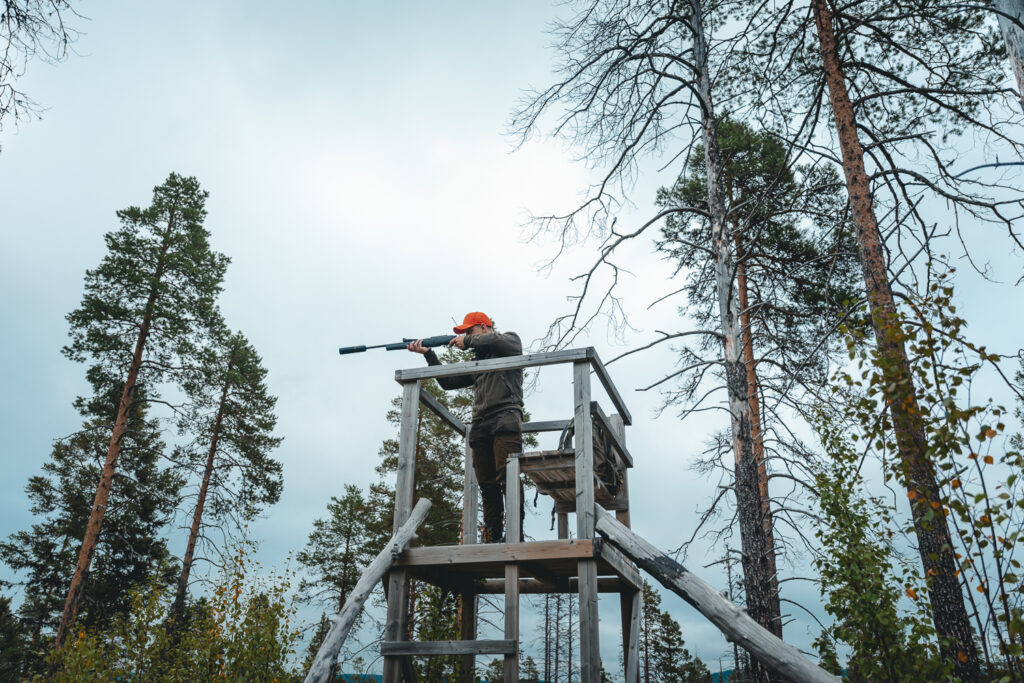
HOW SILENCER REGULATIONS WORK IN EUROPE
There is no single EU-wide law governing silencers. While EU Directive 2021/555 establishes general standards for firearm possession across member states, the regulation of silencers (also known as suppressors, sound moderators, or Schalldämpfer) is handled at the national level.
This means the legal status of silencers can change dramatically when you cross a border. In broad terms, European countries fall into three categories: those where silencers are unregulated or minimally regulated for licensed gun owners, those where silencers are legal but require specific permits or registration, and those where silencers are prohibited or heavily restricted.
The good news for hunters: the first two categories now cover the vast majority of European countries.

SCANDINAVIA: THE MOST PERMISSIVE REGULATIONS IN EUROPE
SWEDEN
Sweden is one of the easiest countries in Europe to own a silencer. Since July 1, 2022, silencers are no longer classified as firearm parts and no longer require a separate license. They are now regulated in the same way as ammunition — meaning anyone who holds a valid firearm permit can purchase and own a compatible silencer without additional paperwork or waiting periods.
Before the 2022 change, Swedish gun owners had to apply for a separate firearms permit for each silencer, a process that could take anywhere from days to several months depending on police workload. The new rules removed this bottleneck entirely.
What you need: A valid Swedish firearms license (vapenlicens) for a compatible firearm.
NORWAY
Norway has among the most relaxed silencer regulations in the world. Silencers are not classified as firearms or regulated accessories, and can be purchased over the counter by anyone — no license, permit, or registration is required. In practice, most retailers will verify that you own a compatible firearm, but there is no legal obligation to do so.
This has been the case for many years, and Norwegian hunters have long been early adopters of silencer technology. Hearing protection is a deeply practical concern in Norwegian hunting culture, where shots are often fired in enclosed valleys or mountainous terrain where sound carries.
What you need: No special requirements. A valid hunting license is recommended but not legally required for purchase.
FINLAND
Finland requires that you present a valid gun ownership license when purchasing a silencer. Once you have a license for the corresponding firearm, silencer acquisition is straightforward — no separate permit or registration is needed for the silencer itself.
The Finnish approach strikes a practical balance: it ensures that only licensed firearm owners can purchase silencers while keeping the process free of unnecessary bureaucracy.
What you need: A valid Finnish firearms license (aselupa) for a compatible firearm, presented at the time of purchase.
DENMARK
Denmark legalized the use of silencers for hunting on May 7, 2014. Hunters with a valid firearms license can purchase and use silencers without additional permits. The change was motivated by hearing protection concerns and a recognition that silencers reduce noise disturbance for people living near hunting areas.
What you need: A valid Danish firearms license (våbentilladelse).
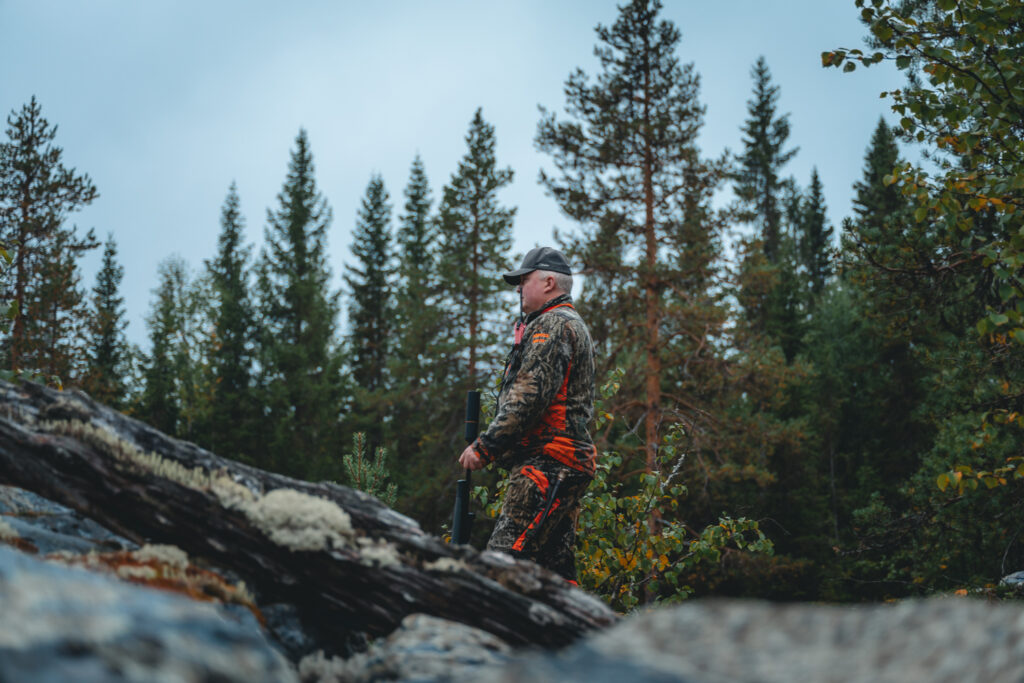
CENTRAL EUROPE
GERMANY
Germany has made significant progress in silencer accessibility for hunters. Since 2020, hunters have been permitted to purchase silencers for long guns with centerfire ignition without a prior “needs test” (Bedürfnisprüfung) — a requirement that previously made acquisition more complex.
Under the current rules, hunters must report the purchase to their local firearms authority (Waffenbehörde) within two weeks and have the silencer registered in their firearms ownership card (Waffenbesitzkarte). The process is administrative rather than approval-based: you report the acquisition rather than request permission.
For rimfire firearms and certain other categories, the rules follow the general principle that silencers are regulated according to the status of the firearm they are designed for. If the firearm requires a license, so does the silencer.
What you need: A valid German hunting license (Jagdschein) and firearms ownership card (Waffenbesitzkarte). Purchase must be reported to the Waffenbehörde within two weeks.
AUSTRIA
Austria classifies silencers as prohibited weapons under Section 17(1) of the Weapons Act (Waffengesetz). However, there is an important exemption: holders of a valid hunting license who regularly hunt are exempt from the prohibition on acquiring, importing, possessing, transferring, and carrying silencers.
In practice, this means Austrian hunters can legally own and use silencers, but the legal framework is more restrictive than in neighboring Germany. The classification as a “prohibited weapon with exemption” can create practical complications, particularly around transport and temporary import.
What you need: A valid Austrian hunting license (Jagdkarte) with evidence of regular hunting activity.
CZECH REPUBLIC
The Czech Republic classifies silencers as Category C accessories, making them available to holders of a firearms license and subject to registration. The process is straightforward for licensed gun owners and hunters.
What you need: A valid Czech firearms license (zbrojní průkaz). Registration is required.
SWIZERLAND
Swiss regulations permit silencer ownership for licensed firearms holders. The silencer must be registered on the firearms acquisition permit (Waffenerwerbsschein). Switzerland’s canton-based system means that some practical aspects of the process may vary by region.
What you need: A valid Swiss firearms acquisition permit with the silencer registered.
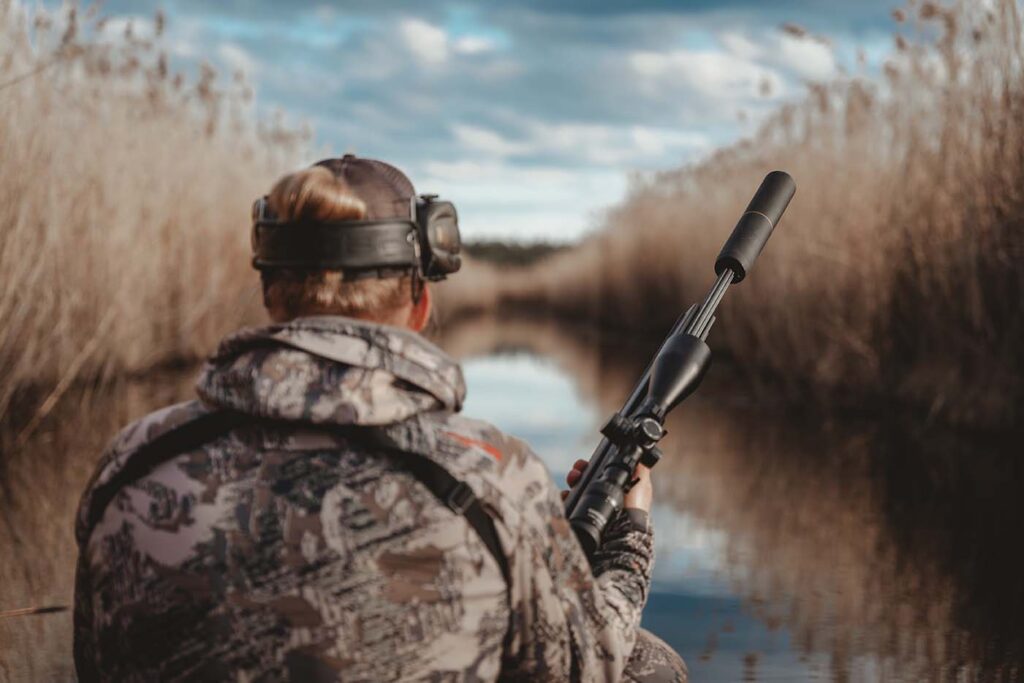
WESTERN EUROPE
FRANCE
France legalized hunting silencers on January 2, 2018, ending a prohibition that had been in place since 1986. The change was driven by hearing protection concerns and growing awareness that silencers are standard hunting equipment across much of Europe.
To purchase a silencer, you must present proof of ownership for the corresponding firearm along with a valid hunting license (permis de chasser) or sport shooting license. Silencers are treated as accessories rather than firearms.
One important restriction applies: French law prohibits the use of subsonic ammunition for hunting large game such as deer, wild boar, roe deer, and chamois. Standard hunting ammunition must meet minimum energy requirements for humane kills. This means that while a silencer will significantly reduce noise, hunters should not expect the extremely quiet performance that subsonic ammunition allows on the range.
What you need: A valid French hunting license (permis de chasser) or sport shooting license, plus proof of ownership for the corresponding firearm.
UNITED KINGDOM
The UK is in the process of a significant regulatory change. In 2025, the government confirmed its support for removing sound moderators (the preferred UK term) from the list of defined “firearms” under the Firearms Act 1968. Under the proposed changes, moderators for Section 1 firearms will no longer need to be separately listed on a firearms certificate.
However, there is an important condition: it will remain an offence to possess a sound moderator without holding a valid firearms certificate. In other words, you will no longer need the moderator specifically listed on your certificate, but you must still be a licensed firearms holder.
Until the new legislation takes effect, the current rules apply: sound moderators must be listed on your firearms certificate (FAC), and your local police force must approve the addition. Processing times vary by constabulary.
What you need (current rules): A valid firearms certificate (FAC) with the moderator listed. After reform: A valid FAC (moderator listing no longer required).
PORTUGAL
Since September 22, 2019, silencers have been permitted for hunters and sport shooters in Portugal. They are classified as accessories and do not require prior authorization for purchase — simply presenting a valid firearms license at the time of purchase is sufficient. Silencers do not need to be registered.
What you need: A valid Portuguese firearms license.
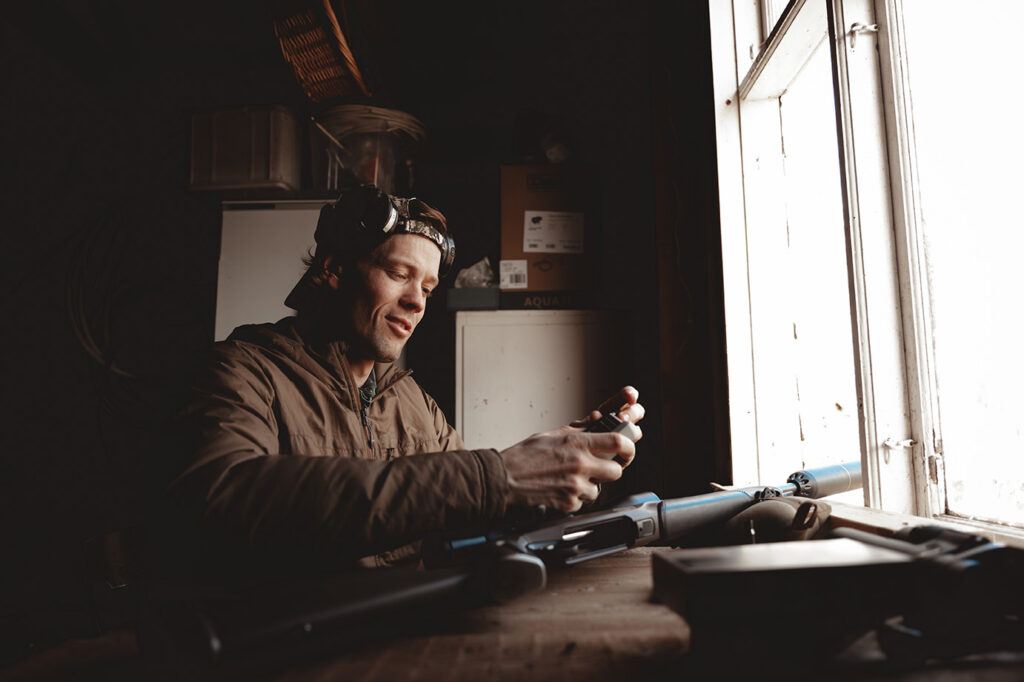
COUNTRIES WITH SIGNIFICANT RESTRICTIONS
ITALY
Italy is one of the few European countries where silencers remain effectively prohibited for civilian use. Silencers are classified as restricted firearm accessories and may only be sold to the armed forces, police, and government authorities. Silencers purchased before November 4, 2013 are exempt from this restriction.
SPAIN
Spain generally prohibits silencers. Air rifle moderators are tolerated, but silencers for hunting firearms are not permitted under current regulations.
NETHERLANDS
The Netherlands classifies silencers as prohibited items. Possession requires a specific exemption, which is very rarely granted for civilian or hunting purposes.
TRAVELLING WITH A SILENCER IN EUROPE
If you plan to hunt in another European country and want to bring your silencer, the key document is the European Firearms Pass (EFP). This document, issued by your home country’s firearms authority, allows temporary import of your listed firearms and accessories for purposes such as hunting or sport shooting.
Important considerations for traveling with a silencer include verifying that your silencer is listed on your European Firearms Pass, confirming that silencers are legal in your destination country (and under what conditions), checking whether the destination country requires advance notification or an invitation from a local hunting organization, and understanding any transit country regulations if you’re driving through multiple countries.
Several countries require advance notice or an invitation letter from a local hunting association. Planning ahead is essential — arriving at a border with an unlisted silencer can result in confiscation and legal consequences.
THE TREND TOWARDS DEREGULATION
The direction of travel across Europe is unmistakable. Over the past decade, country after country has moved to legalize or simplify silencer ownership for hunters: Denmark in 2014, France in 2018, Portugal in 2019, Germany’s simplified process in 2020, Sweden’s deregulation in 2022, and the UK’s ongoing reform.
The driving forces behind this trend include growing awareness of hearing damage among hunters (many of whom do not wear hearing protection in the field), reduced noise disturbance for communities near hunting areas, improved animal welfare through reduced stress from gunshot noise, and recognition that silencers are a safety device rather than a criminal tool.
For hunters who already use a silencer, these regulatory changes make it increasingly practical to hunt across borders. For those in countries where restrictions remain, the trend suggests that change may be on the horizon.
CHOOSING THE RIGHT SILENCER FOR EUROPEAN HUNTING
If you’re looking for a silencer that meets the demands of European hunting — compact enough for dense forest, light enough for long mountain stalks, and quiet enough to make a real difference — explore the Stalon range. Every Stalon silencer is designed, engineered, and manufactured in northern Sweden, where hunting is a way of life and silencers have been standard equipment for decades.
Browse the full range in the Stalon Product Guide to find the right match for your caliber and hunting style.
DISCLAIMER:
This guide provides general information about silencer regulations in Europe as of early 2026. Firearms laws change frequently, and regulations may vary at the regional or local level. Always verify current requirements with your national firearms authority or a qualified legal advisor before purchasing, transporting, or using a silencer. Stalon is not responsible for any legal consequences arising from reliance on this information.


