
There’s an ongoing discussion around silencers and semi-automatic rifles – more specifically reload. It’s often described as a potential problem, something that can cause malfunctions or unreliable performance. But where does that idea actually come from?
To understand that, we need to look at how the system works, and what really changes when a silencer is added.
WHY PLUG-AND-PLAY PERFORMANCE MATTERS
There’s often a certain hesitation when it comes to pairing silencers with semi-automatic rifles. Questions about reliability, reload, gas pressure, and long-term wear tend to surface quickly. Unlike bolt-action rifles, semi-automatics rely on a precisely balanced system where gas pressure is not just a byproduct of the shot, but the very force that drives the rifle’s function. Understanding this system is key to understanding why not all silencers behave the same.
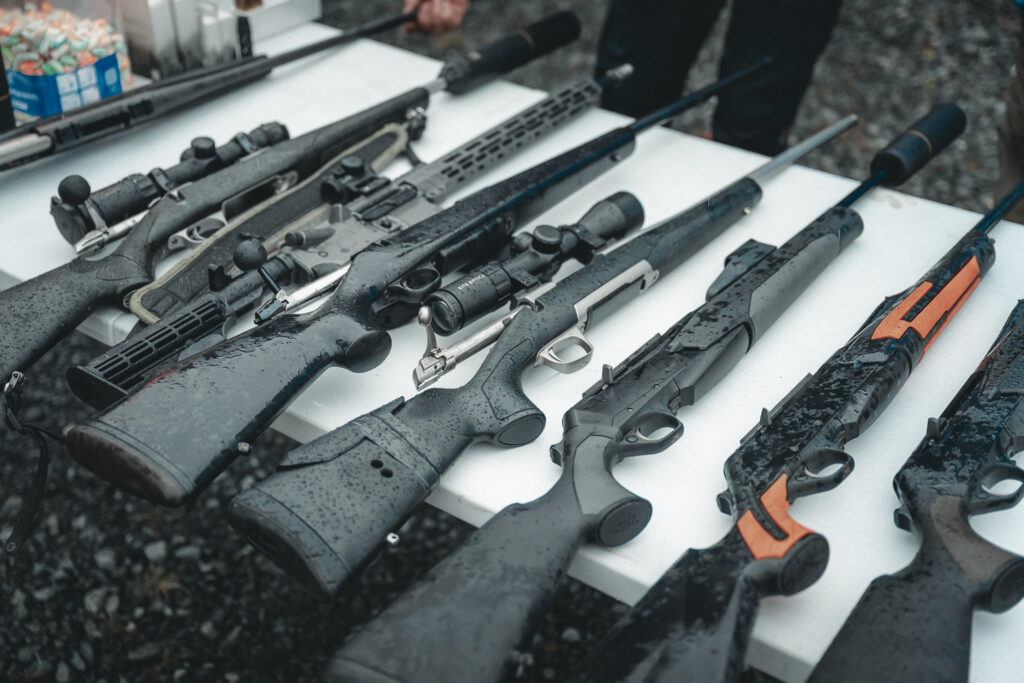
HOW SEMI-AUTOMATIC REALOAD WORKS
When a round is fired in a semi-automatic rifle, expanding gases are used to reload the action. A portion of that gas is redirected through the gas system, pushing the bolt carrier rearward. This movement ejects the spent casing and chambers a new round.
It’s a finely tuned process where timing, pressure, and resistance must work in perfect harmony.
Even small changes in this balance can affect how the rifle performs.
WHAT HAPPENS WHEN YOU ADD A SILENCER TO A SEMI-AUTOMATIC RIFLE?
Adding a conventional silencer introduces increased backpressure into the system. In simple terms, more gas is forced back into the rifle than it was originally designed to handle.
This often results in a range of unwanted effects.
The rifle may reload faster than intended, leading to increased wear on internal components. The recoil impulse can feel sharper or less predictable. More carbon and residue are pushed back into the action, making the rifle run dirtier. Shooters may also experience more gas directed rearward, which becomes especially noticeable during longer shooting sessions. In some setups, adjustments such as modified gas systems or tuning components become necessary just to restore reliability.
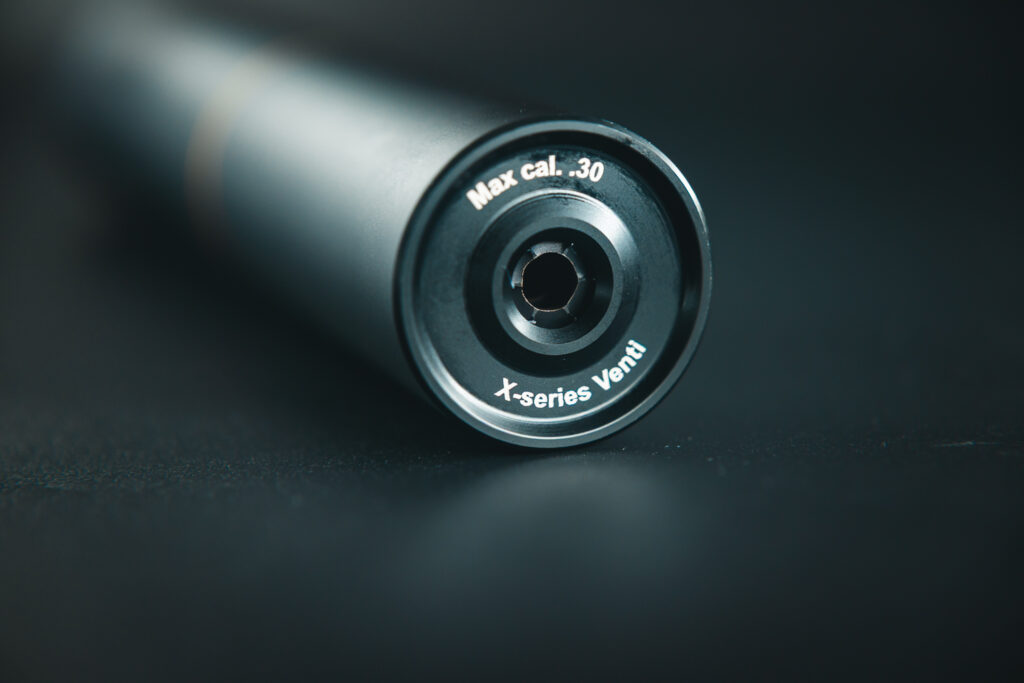
A DIFFERENT APPROACH: DESIGNED FOR THE SYSTEM
The Stalon Venti technology was developed specifically to address these challenges.
Instead of simply focusing on sound reduction, its design actively manages gas flow. By minimizing unnecessary backpressure, it allows the rifle’s original system to function as intended, without disruption. This is where the difference becomes clear.

STALON VENTI: A PLUG-AND-PLAY SILENCER FOR SEMI-AUTOS
With the Venti technology, there’s no need for adjustable gas blocks or additional modifications.
You don’t have to fine-tune your setup or adapt your shooting. The rifle maintains consistent reload, predictable recoil, and reliable performance across different conditions and ammunition types.
You attach it, and you shoot.
CHANGING THE NARRATIVE
The idea that silencers and semi-automatic rifles don’t work well together is, in many ways, outdated.
What used to be a valid concern with certain designs has become a non-issue with the right engineering.
Reloading isn’t the problem.
Uncontrolled gas is.
And once that’s addressed, the entire system performs exactly as it should; only quieter, smoother, and more refined.


